Live context
Quick facts
- Santorini is home to the ancient city of Akrotiri, a Minoan settlement that was buried by volcanic ash around 1627 BC, preserving its remarkable frescoes and advanced architecture.
- The island's unique volcanic soil contributes to its renowned wine production, particularly the Assyrtiko grape, which is cultivated at an elevation of up to 400 meters above sea level.
- Santorini's iconic blue-domed churches, particularly in Oia, have become a symbol of Greece and are a result of a 19th-century architectural style, inspired by the island's natural landscape.
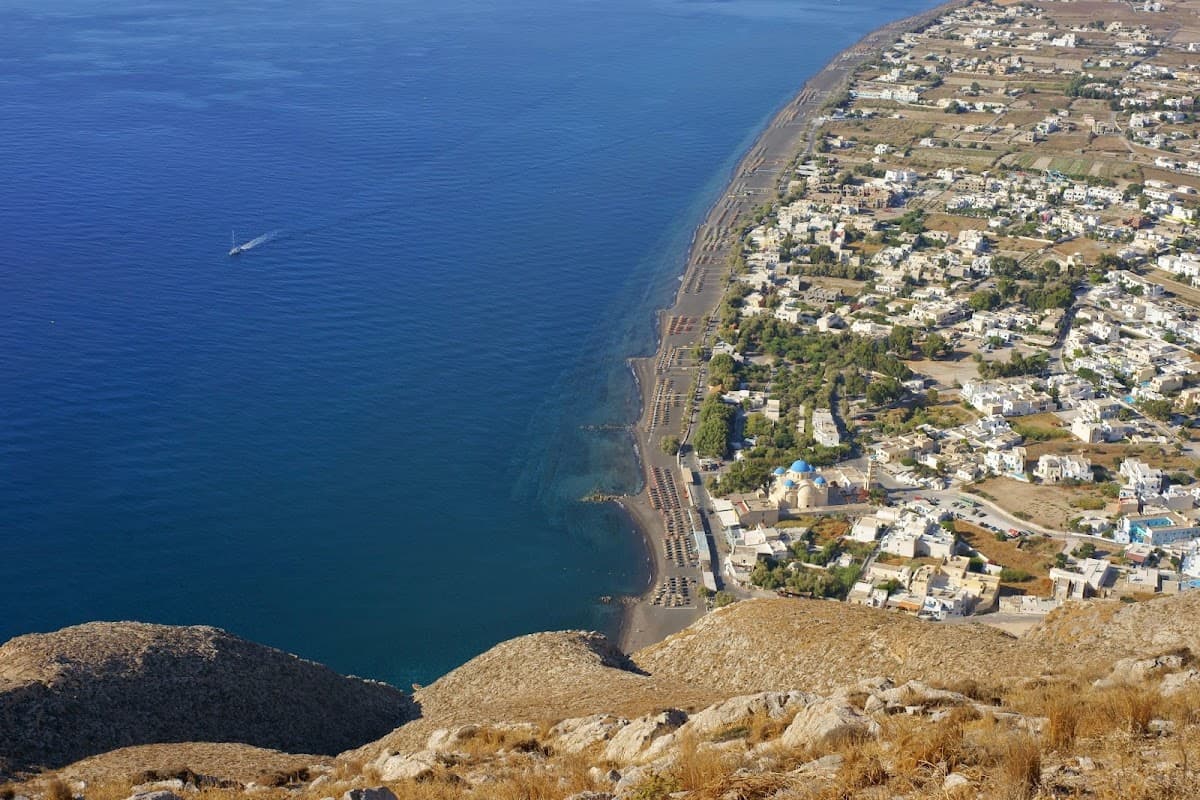
- The caldera of Santorini is one of the largest in the world, formed by a massive volcanic eruption approximately 3,600 years ago, which led to the island's dramatic cliffs and stunning views.
- Every summer, Santorini hosts the Santorini Jazz Festival, which has been celebrated annually since 2010, attracting both local and international artists to perform in a picturesque outdoor setting.
Travel details
- Country
- Greece
- Wind (now)
- 13 km/h
- Coordinates
- 36.3932, 25.4615
Share this destination
Share Santorini, Greece with friends or save it for later.
Want to embed this destination on your site?
Get embed code →Related destinations
🇬🇷
Naxos, Greece
The largest Cycladic island keeps beaches, mountain villages, and a marble Portara gateway—more local rhythm than its famous neighbors.
🇬🇷
Mykonos, Greece
Whitewashed Cycladic lanes, windmills above Little Venice, and Aegean beaches that swing from quiet coves to late-night energy.
🇬🇷
Crete, Greece
Greece’s largest island packs Minoan ruins, Samaria Gorge hikes, and Cretan kitchens that treat olive oil and mountain herbs like religion.
🇬🇷
Patmos, Greece
A sacred island where St. John wrote the Book of Revelation, whitewashed villages cascade to the sea, and a sense of spirituality permeates the air. One of Greece's most peaceful and beautiful islands.