Live context
Quick facts
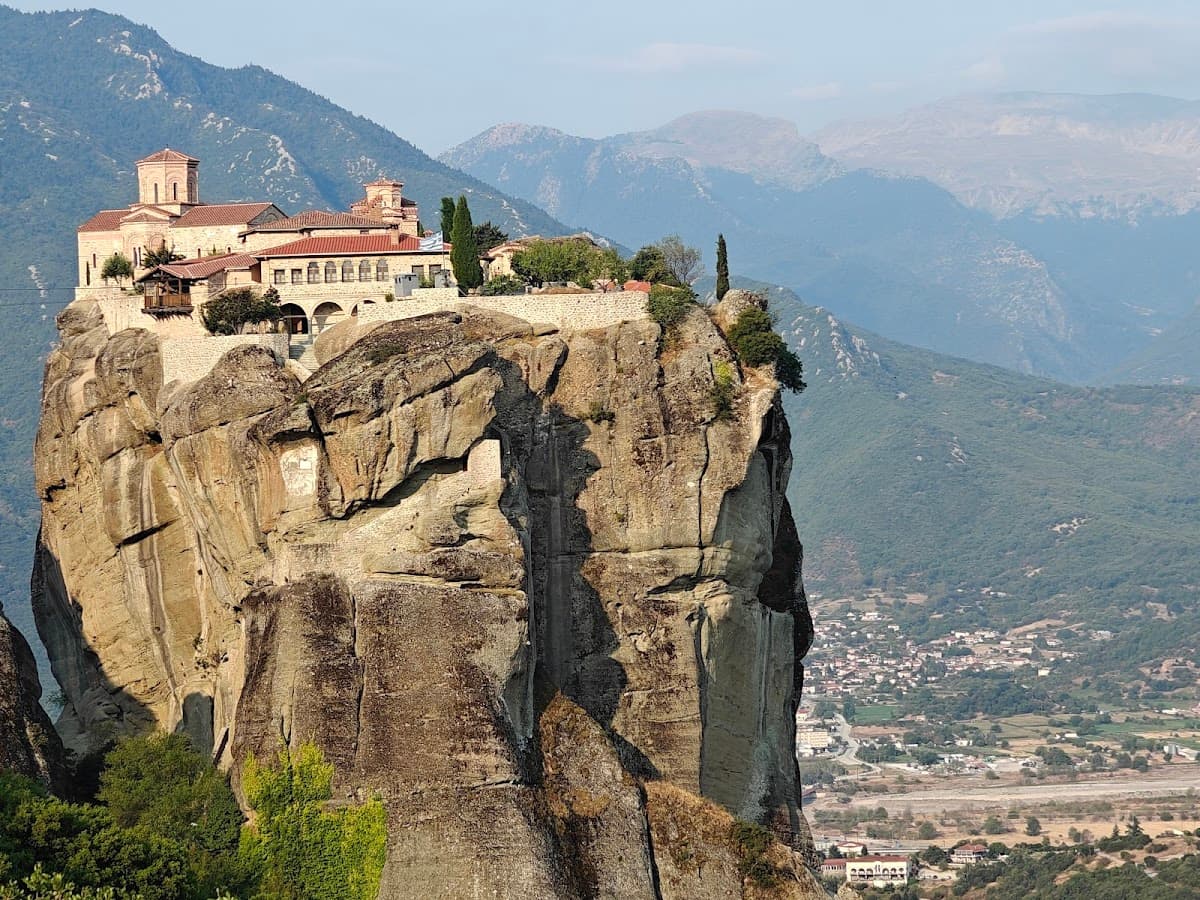
- The Meteora rock formations rise dramatically to heights of up to 400 meters (1,300 feet) above the surrounding plains.
- The six active monasteries of Meteora were established between the 14th and 16th centuries, with the Great Meteoron monastery, founded in 1382, being the oldest.
- Meteora is home to some of the largest and most significant Byzantine frescoes in Greece, with paintings dating back to the 16th century found within the monasteries.
- The area is a UNESCO World Heritage site, recognized in 1988 for its cultural significance and stunning natural beauty, attracting over 1.5 million visitors annually.
- Meteora's unique geological formations were created approximately 60 million years ago through a combination of sedimentation and tectonic activity, resulting in the towering pillars we see today.
Travel details
- Country
- Greece
- Wind (now)
- 6 km/h
- Coordinates
- 39.7217, 21.6306
Share this destination
Share Meteora, Greece with friends or save it for later.
Want to embed this destination on your site?
Get embed code →Related destinations
🇬🇷
Corfu, Greece
Venetian fortresses, pastel Old Town lanes, and Ionian beaches give Corfu a softer Greek island mood—olive hills and Adriatic light instead of Cycladic whitewash.
🇬🇷
Thessaloniki, Greece
Greece’s northern food capital: waterfront promenades, Byzantine churches, and a late-night meze culture that outlasts Athens.
🇬🇷
Delphi, Greece
The ancient oracle’s sanctuary climbs a Parnassus mountainside above olive valleys, with temple columns framing views that still feel mythic.
🇬🇷
Zakynthos, Greece
Shipwreck Beach’s white cliffs and turquoise cove define the postcard, while inland villages and turtle nesting shores keep the island alive beyond the viewpoint.