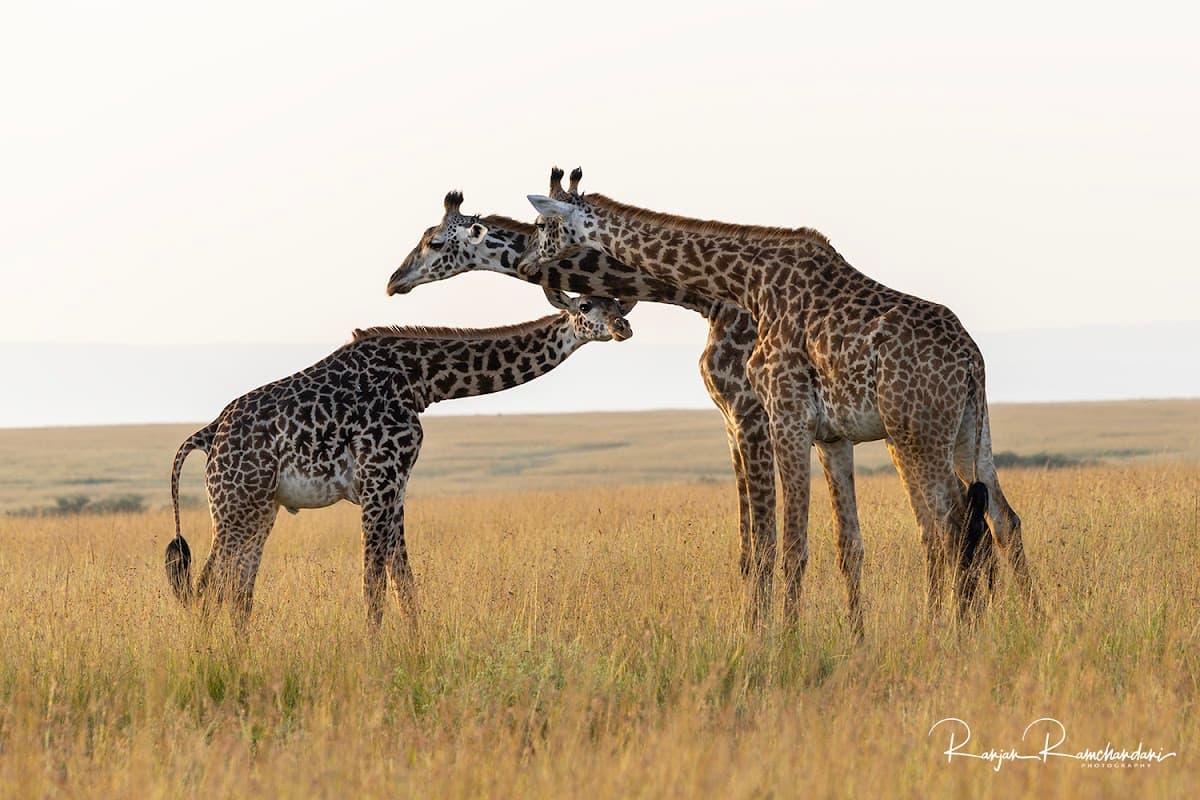
Live context
Quick facts
- The Great Migration in the Maasai Mara typically occurs between July and October, when over 1.5 million wildebeest and hundreds of thousands of zebras traverse the plains in search of fresh grazing lands.
- The Maasai Mara National Reserve covers an area of approximately 1,510 square kilometers (583 square miles) and is home to over 95 species of mammals, including the iconic 'Big Five': lions, leopards, rhinos, elephants, and buffalo.
- The Maasai people, who have lived in harmony with the wildlife for centuries, traditionally practice a semi-nomadic lifestyle and have a population of around 1 million in Kenya, with many residing near the reserve.
- In 2010, the Maasai Mara was designated as a UNESCO World Heritage site for its exceptional natural beauty and biodiversity, particularly during the Great Migration.
- The Mara River, which flows through the reserve, is famous for its dramatic crossings during the Great Migration, where thousands of wildebeest face peril from crocodiles lurking beneath the surface.
Travel details
- Country
- Kenya
- Wind (now)
- 15 km/h
- Coordinates
- -1.4061, 35.1194
Compare with…
Side-by-side budget, season, and vibe for Maasai Mara, Kenya.
Share this destination
Share Maasai Mara, Kenya with friends or save it for later.
Want to embed this destination on your site?
Get embed code →Related destinations
🇰🇪
Lamu Island, Kenya
Swahili culture + dhow sunsets.
🇹🇿
Serengeti & Ngorongoro Crater, Tanzania
Big-five migration on endless plains.
🇷🇼
Kigali, Rwanda
Africa's cleanest city, where green hills, modern development, and a commitment to sustainability create a model for the continent. Gateway to mountain gorillas and a symbol of hope and renewal.
🇹🇿
Zanzibar, Tanzania
A spice island paradise where white sand beaches meet turquoise Indian Ocean waters, Stone Town's narrow alleys tell stories of sultans and traders, and spice plantations fill the air with exotic aromas.