Live context
Quick facts
- The Roman Temple of Évora, also known as the Temple of Diana, was built in the 1st century AD and is remarkably well-preserved, showcasing 14 Corinthian columns.
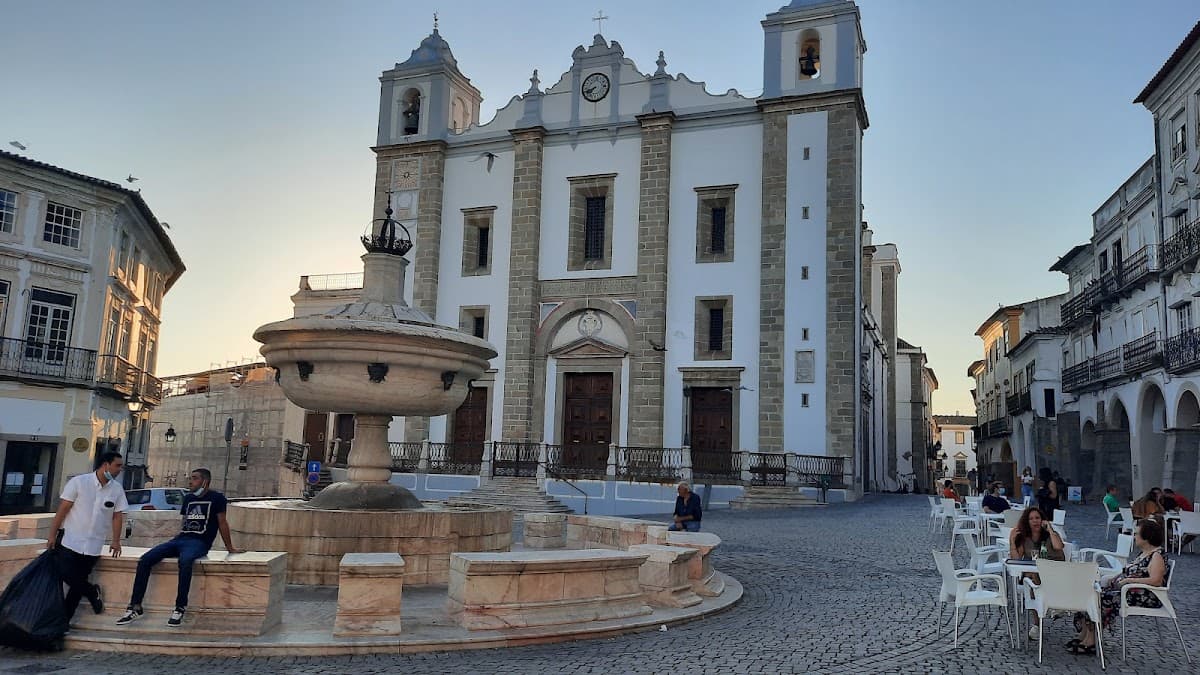
- Évora's historic center was classified as a UNESCO World Heritage site in 1986, recognized for its rich architectural and cultural heritage spanning over 2,000 years.
- The Alentejo region is famous for its cork oak trees, which cover approximately 730,000 hectares, making Portugal the world's largest producer of cork, accounting for about 50% of the global supply.
- The Capela dos Ossos, a chapel within the Igreja de São Francisco in Évora, is adorned with the bones of over 5,000 monks, built in the 16th century as a reminder of the inevitability of death.
- Alentejo wines are gaining international acclaim, with the region producing over 60 different grape varieties, and in 2020, the region's wine exports reached approximately €30 million.
Travel details
- Country
- Portugal
- Wind (now)
- 7 km/h
- Humidity (now)
- 88%
- Coordinates
- 38.5714, -7.9093
Share this destination
Share Évora & Alentejo, Portugal with friends or save it for later.
Want to embed this destination on your site?
Get embed code →Related destinations
Lisbon, Portugal
A vibrant capital city built on seven hills, where historic trams climb past colorful buildings, Atlantic light bathes ancient streets, and fado music echoes through narrow alleys. A perfect blend of old-world charm and modern energy.
Sintra, Portugal
Misty hills of Romantic palaces—Pena’s candy colors, Moorish castle walls, and Quinta da Regaleira’s initiation wells—a short train from Lisbon.
Óbidos, Portugal
A complete medieval walled town of narrow white streets, cherry liqueur cups, and rampart walks above the surrounding plains.
Algarve Coast, Portugal
Golden cliffs, sea caves, and Atlantic beaches stretch from Lagos to Tavira—Portugal’s south coast of lighthouse walks and grilled fish dinners.