Live context
Quick facts
- Hiroshima's Peace Memorial Park, established in 1954, commemorates the victims of the atomic bombing on August 6, 1945, and features the iconic Atomic Bomb Dome, a UNESCO World Heritage Site since 1996.
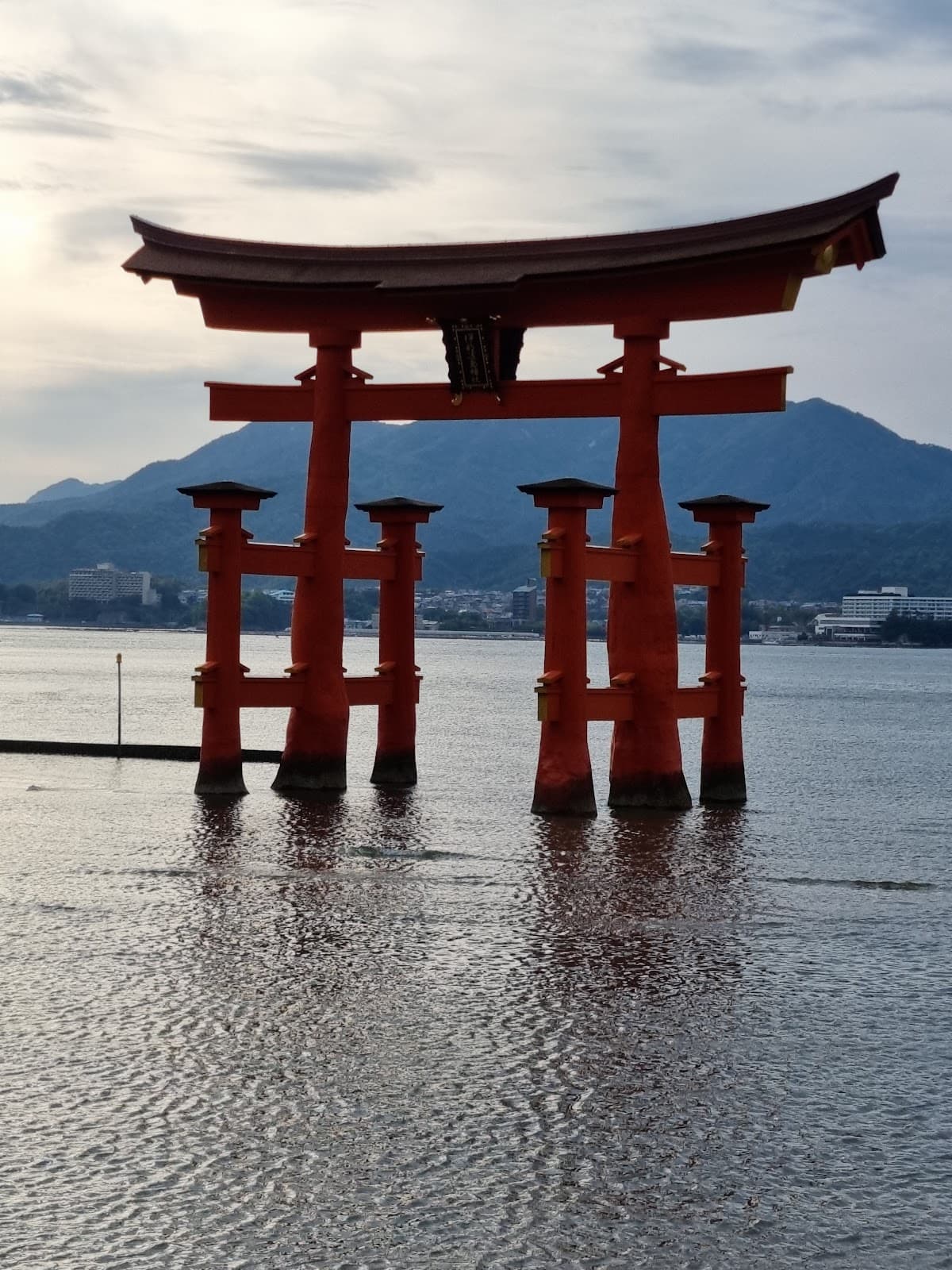
- Miyajima Island is home to the famous Itsukushima Shrine, which was founded in 593 AD and is renowned for its large vermilion torii gate that appears to float on water during high tide.
- The island of Miyajima is also recognized for its resident deer population, with approximately 1,000 wild deer roaming freely, considered a symbol of the island's natural beauty and spirituality.
- The Museum of History & Folklore on Miyajima showcases over 4,000 items related to the island's rich cultural heritage, including traditional crafts, clothing, and artifacts dating back several centuries.
- Miyajima is known for its Momiji Manju, a maple-leaf shaped cake filled with sweet red bean paste, which has been a local delicacy since the 19th century and is enjoyed by visitors year-round.
Travel details
- Country
- Japan
- Wind (now)
- 11 km/h
- Coordinates
- 34.3853, 132.4553
Share this destination
Share Hiroshima & Miyajima, Japan with friends or save it for later.
Want to embed this destination on your site?
Get embed code →Related destinations
🇯🇵
Naoshima Art Island, Japan
A Seto Inland Sea island remade as an open-air museum: Yayoi Kusama’s pumpkin on the pier, Tadao Ando concrete galleries, and ferry hops between art islets.
🇯🇵
Fukuoka, Japan
Japan’s friendliest big city: yatai street-food stalls steam along the canals, Hakata ramen queues form at midnight, and ferries and flights make Kyushu feel like an open gate.
🇯🇵
Osaka, Japan
Japan’s kitchen city: neon canyons of Dotonbori, takoyaki smoke, castle grounds, and a blunt, funny energy that contrasts Kyoto’s polished quiet.
🇯🇵
Nara, Japan
Japan’s first permanent capital still feels ancient: free-roaming deer in Nara Park, the colossal Buddha of Todai-ji, and lantern-lit Kasuga paths after dusk.